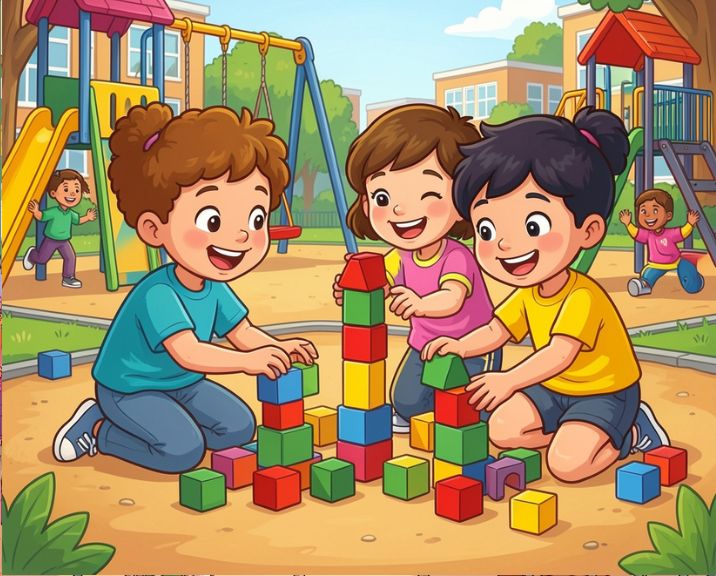
Learning of a Lifetime: Building Values, Skills, and Confidence
Education is one of the most meaningful investments we make for a child. In India especially, schooling is often seen as a top priority from the earliest years. But education is not only a pathway to a future job it is the foundation that shapes the person a child becomes.
The learning a child receives from the beginning of school influences their habits, confidence, thinking style, values, and ability to handle challenges. That is why choosing the right school is not just about academics. It is about choosing an environment that supports lifelong growth.
Why Early Schooling Shapes the Future
The early years of schooling play a powerful role in a child’s development. At this stage, children absorb what they see, hear, and experience. Their routines, behaviour, confidence, and mindset start forming here.
A strong school environment helps children develop:
- positive learning habits
- curiosity and love for exploring
- emotional confidence and resilience
- communication and social comfort
- values that guide behaviour over time
This is why the early schooling phase is often considered the base of lifelong learning.
Building a Strong Foundation Beyond Academics
A strong foundation is built when a child grows in multiple areas not only in academics.
Children need opportunities to develop creativity, character, and confidence. When a school supports both learning and personal development, children learn better and feel more comfortable expressing themselves.
They also learn how to think, not just what to remember. This makes them more independent as learners and better prepared for future challenges.
The Manthan School’s Approach to Lifelong Learning
The Manthan School near Gaur City focuses on education that balances global learning approaches with strong roots and values. The idea is not only to deliver academic learning, but also to help children develop skills and confidence that stay useful for life.
Many schools speak about quality education, but a truly meaningful education system also supports:
- self-exploration and independent thinking
- exposure to different subjects and learning methods
- skill-building beyond textbooks
- an environment where children feel encouraged to speak and participate
This kind of learning helps students become more vocal with ideas, develop stronger social presence, and build a mindset that supports growth.
Learning Beyond Books
Education becomes more complete when children learn beyond textbooks and exams. Activities and experiences outside academics help children discover strengths, develop life skills, and enjoy learning.
At The Manthan School, children are encouraged to participate in co-curricular learning such as arts, music, drama, debates, and sports. These experiences help children grow in ways that academics alone cannot.
Why Co-Curricular Learning Matters
Co-curricular activities support important skills such as:
- teamwork and collaboration
- leadership and responsibility
- confidence and communication
- problem-solving and decision-making
- creativity and self-expression
When academics and co-curricular learning are balanced, children stay more engaged and enjoy their learning journey while also building practical life skills.
A Balanced Curriculum That Reduces Stress
Children learn best when they are not constantly pressured. A school environment that maintains balance helps students grow without fear of learning.
A healthy education approach supports:
- concept-based learning, not only exam-driven learning
- a stimulating environment that keeps children curious
- structured routines with space for activities and play
- supportive teachers who guide learning with encouragement
This balance helps children develop naturally into confident learners.
Preparing for Tomorrow, Not Just Exams
The purpose of school is not only to prepare children for tests. It is to prepare them for life.
A future-ready learning environment focuses on values, innovation, and exposure. It helps children become responsible and capable individuals who can adapt to new situations and face challenges with confidence.
When students learn in a nurturing environment, they develop self-belief. When they get exposure through activities, they develop practical strength. And when both academics and skills are built together, students become ready for the real world.
Conclusion
A child’s school journey should give them more than marks; it should give them learning for a lifetime. At a trusted play school in Noida Extension, the right education builds knowledge while also developing confidence, values, creativity, and skills that stay useful forever.
When children receive the right foundation early, they grow into learners who can think independently, express confidently, and adapt to the world ahead. That is the true purpose of schooling and the real meaning of learning that lasts a lifetime.