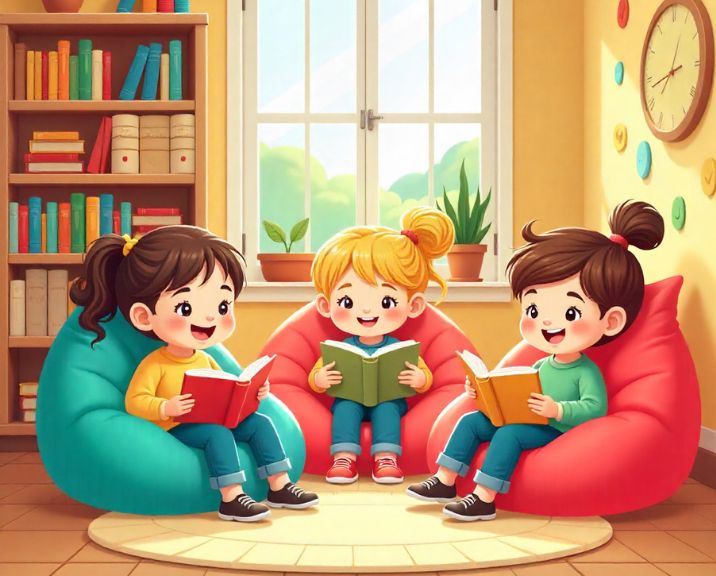
Creative Spaces to Enhance Learning
Creating a learning environment that fosters creativity, engagement, and critical thinking is essential for students’ success. At The Manthan School, we believe that the physical and emotional space in which learning takes place plays a crucial role in how effectively students engage with the material. By designing creative spaces that stimulate imagination and collaboration, we can enhance the overall learning experience for our students.
A creative learning space makes students feel curious and excited to learn. When children feel comfortable and inspired, they participate more, ask more questions, and share their ideas freely. These spaces also help students enjoy learning instead of feeling pressured, which improves both confidence and performance.
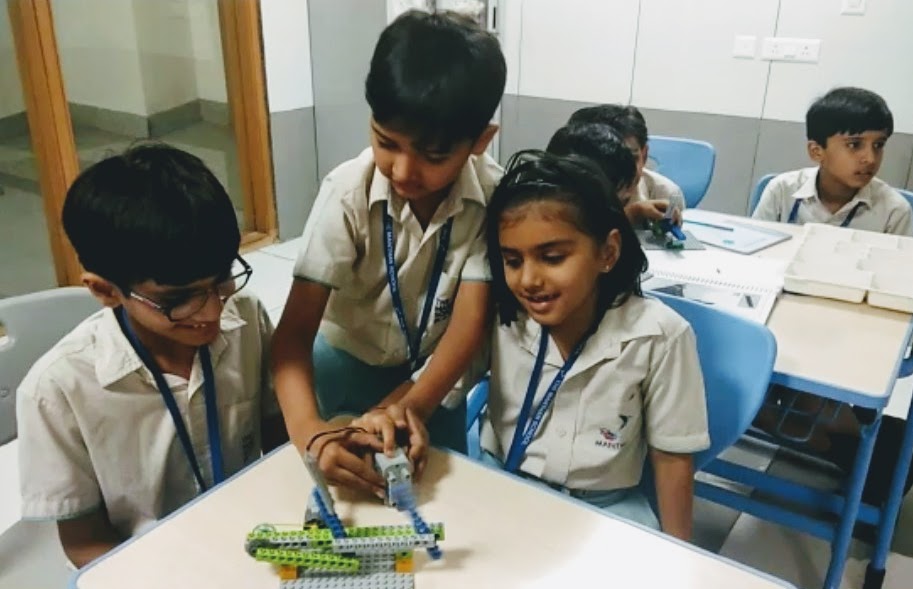
The Importance of Creative Spaces in Education
Creative spaces are more than just visually appealing rooms. They are environments designed to inspire curiosity, promote active participation, and encourage problem-solving. At The Manthan School, we understand that a well-designed learning environment can significantly impact a student’s academic success and emotional well-being. These spaces support students in developing not only academic skills but also creativity, collaboration, and social-emotional skills that will benefit them throughout their lives.
A well-planned space also supports different types of learners. Some children learn better by seeing visuals, some learn by doing activities, and some learn by talking and discussing. Creative spaces support all these learning styles and give every child a fair chance to grow.
Flexible Classrooms for Interactive Learning
Traditional classrooms often restrict movement and limit interaction, but at The Manthan School, we embrace flexible classroom designs that promote interaction and engagement. By incorporating movable furniture, technology, and open spaces, we give students the freedom to collaborate, experiment, and explore ideas in a dynamic environment. This flexibility encourages student-driven learning, making lessons more engaging and participatory.
For example, teachers can create small learning stations where students rotate in groups one group reads, another does an activity, and another solves a problem. This keeps the classroom energetic and helps children stay focused because they are not sitting in one place for too long.
Incorporating Technology into Creative Spaces
Technology has transformed the way students learn, and at The Manthan School, we believe that integrating technology into learning spaces enhances creativity and innovation. Interactive whiteboards, tablets, and educational software are just a few examples of how technology can make learning more engaging. These tools not only provide access to a wealth of information but also allow students to collaborate, create, and share their work in new ways.
Technology also helps students learn at their own pace. If a child needs more time to understand a topic, they can revise using videos or interactive exercises. It also makes lessons more visual and interesting, which is helpful for young learners and students who learn best through images and demonstrations.
Designing Learning Spaces for Collaboration
Collaboration is key to developing important skills such as teamwork, communication, and problem-solving. At The Manthan School, we design learning spaces that encourage students to work together, share ideas, and solve problems collectively. By creating group areas, providing collaborative tools, and encouraging open discussion, we help students develop the ability to work well in teams and build strong interpersonal relationships.
When students work together, they learn how to listen, take turns, and respect different opinions. Collaborative spaces also help shy students open up slowly, because group activities feel less stressful than speaking alone in front of the entire class.
Inspiring Creativity with Art and Design
Art is an essential tool for fostering creativity, and The Manthan School ensures that creative spaces include areas dedicated to artistic expression. Whether it’s through painting, sculpture, or digital art, these spaces provide students with opportunities to explore their creativity and express themselves. By integrating art into the learning environment, we help students think critically, engage with different perspectives, and approach problems creatively.
Creative display areas also motivate children. When students see their artwork, posters, or projects displayed on walls, they feel proud and valued. This encourages them to put more effort into their work and develop a positive attitude towards learning and creativity.
Quiet Spaces for Focus and Reflection
While collaborative spaces are important, quiet spaces are also essential for deep thinking and reflection. At The Manthan School, we create areas where students can focus on individual work, meditate, or simply take a break from the hustle and bustle of group activities. These quiet areas allow students to recharge, reflect on their learning, and engage in independent thinking, which is crucial for fostering critical thinking and problem-solving skills.
Quiet spaces are especially helpful for students who feel overwhelmed easily. A calm corner, reading nook, or mindfulness area allows them to relax and reset. Even a few minutes of quiet time can improve concentration and help students return to learning with a fresher mind.
Outdoor Learning Spaces
Learning doesn’t have to be confined to the classroom. At The Manthan School, we embrace outdoor learning by creating spaces that encourage students to explore nature, engage in physical activities, and learn through hands-on experiences. Outdoor classrooms, gardens, and play areas provide students with the opportunity to apply their knowledge in real-world settings, enhance their well-being, and promote a deeper connection to the environment.
Outdoor learning is also great for observation-based subjects. Students can learn science by observing plants, weather, and insects. They can learn maths through real-life measurements, and language through storytelling sessions under open skies. This makes learning more natural and enjoyable.
Promoting Social-Emotional Learning (SEL) Through Space Design
At The Manthan School, we understand that social-emotional learning is as important as academic learning. By creating spaces that promote social interaction, mindfulness, and emotional expression, we help students build essential life skills. Calm zones, sensory spaces, and areas for group discussions allow students to develop empathy, resilience, and emotional intelligence, preparing them for both academic and personal success.
SEL-friendly spaces also encourage students to express emotions in a healthy way. For example, “feelings charts,” calming activities, or reflection journals can be used in these zones. When children learn how to manage emotions early, they become more confident, respectful, and emotionally strong.
Final Thoughts – Building Creative Spaces for a Bright Future
Creating creative spaces is not just about aesthetics; it’s about building environments that inspire learning, collaboration, and personal growth. At The Manthan School, we recognize the value of dynamic, flexible, and inclusive learning spaces that foster creativity, critical thinking, and social-emotional development. By designing spaces that empower students to engage with their learning, we are helping to shape the next generation of creative thinkers, problem solvers, and leaders.
In simple words, creative spaces help children learn better because they feel motivated, supported, and involved. At The Manthan School, we continue to design spaces that help students explore, imagine, and grow every day so learning becomes meaningful, joyful, and future-ready.