Social Skills Development in Toddlers and Early Years
The early years of a child’s life are full of firsts such as their first words, their first steps, and their first friendships too. It is during this development period that a child begins to build up a basic understanding of the world as well as the people around them. Through learning how to share, listen, express emotions, and respond to others, children have many formative experiences that ultimately have an impact on their personalities and self-esteem. Although learning numbers and letters is important, social skills are just as essential because they help children feel safe, connected, and understood.
At The Manthan School, Noida, we have a strong belief that the social and emotional development of a child is the basis of all learning. When children feel comfortable interacting with others, they are more open to exploring, learning, and growing in a happy and healthy way.
What Is Social Development in Early Childhood?
Social development in toddlers and young children refers to how they learn to interact with others and understand themselves in social situations. This involves learning to communicate, collaborate, and take turns as well as control emotions. As young children are still learning how the world works, they tend to acquire these skills through play and observation, and in their daily interactions.
During the preschool years, children begin to form friendships, though these may be short and changing. They also start to recognise emotions both their own and those of others.
For example, when a child sees their friend in a bad mood, he or she will do anything to cheer them up in one way or another. These examples are significant since they help children build empathy and emotional awareness.
Why Social Skills Are Important for Young Children
Strong social skills help children communicate better. As children engage in conversations with others, they also see how other people respond to them and how to express their thoughts and feelings. This happens not just because they are taught, but because communication becomes necessary in social settings.
Social development also supports learning. Children who feel comfortable around others are more likely to take part in group activities, ask questions, and try new things. While every child is unique, children with good social skills usually demonstrate better concentration and cooperation when they are in a classroom or other focused environment, which helps them learn more effectively and enjoy the learning process.
Another important benefit is self-confidence. When children experience positive interactions, they begin to feel good about themselves. They feel valued and accepted, which improves their self-esteem. Since confidence plays a big role in mental well-being, early social development helps children handle challenges better as they grow.
Social skills also help children develop a positive attitude. When children learn to resolve conflicts on their own, share, and show kindness, they become more patient and understanding. Though disagreements are a normal part of growing up, learning how to handle them calmly helps children develop emotional strength and a positive outlook on life.
Simple Ways to Encourage Social Development
Supporting social development during the early years doesn’t have to be complicated. You just need to build a strong and loving relationship with the child; if you spend time engaging with children, talking to them, and actively listening help them feel secure. Children will be more likely to interact with others and express themselves freely when they feel safe.
Communication is another important area. Spending time with children and encouraging them to talk about their day, tell stories, or describe their feelings supports language and emotional development. By asking simple questions and actively listening to their responses show that you value what they have to say.
Teaching empathy is also essential. Children learn empathy by watching adults. When parents and teachers show kindness, patience, and respect, children naturally copy these behaviours. Talking about feelings such as happiness, sadness, or anger helps children understand emotions better, both their own and those of others.
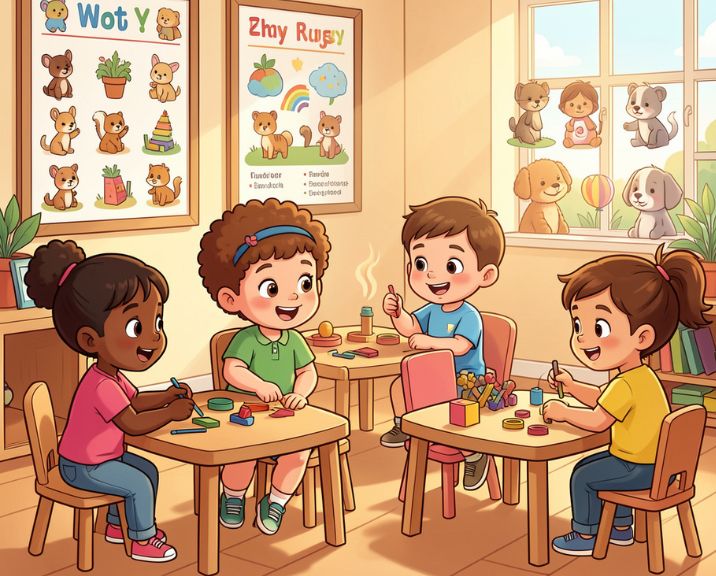
Play plays a big role in social development. Active play, group games, and pretend play give children many chances to interact, cooperate, and solve small problems together. Although conflicts may happen, these moments teach children valuable lessons about sharing, waiting, and understanding different points of view.
Conclusion
Social skills developed in the early years help shape how children build relationships, manage their emotions, and face new experiences in the future. By supporting positive interactions, open communication, empathy, and play, we help children grow into confident and caring individuals. At The Manthan School, Noida, a trusted cbse school in noida, we aim to create a nurturing environment where every child feels valued and supported, thereby helping them develop strong social foundations that will guide them throughout their lives.