
Published on: 05-02-2026
Play is a big part of a child’s life. For young children, play is not just about having fun. It is how they learn about the world, people, and themselves. When children play, they explore, copy others, try new things, and slowly build important life skills. Although many parents expect children to play together, it is very common for toddlers to play alone, even when other children are nearby.
At Manjoli Child Development Centre, we often meet parents who feel concerned when their child chooses solitary play during playtime. In most cases, this behaviour is not a sign of shyness or social difficulty, but a natural part of how young children learn and grow. Understanding this stage can help parents feel more confident, relaxed, and supportive as their child develops social skills at their own pace.
What Is Parallel Play?
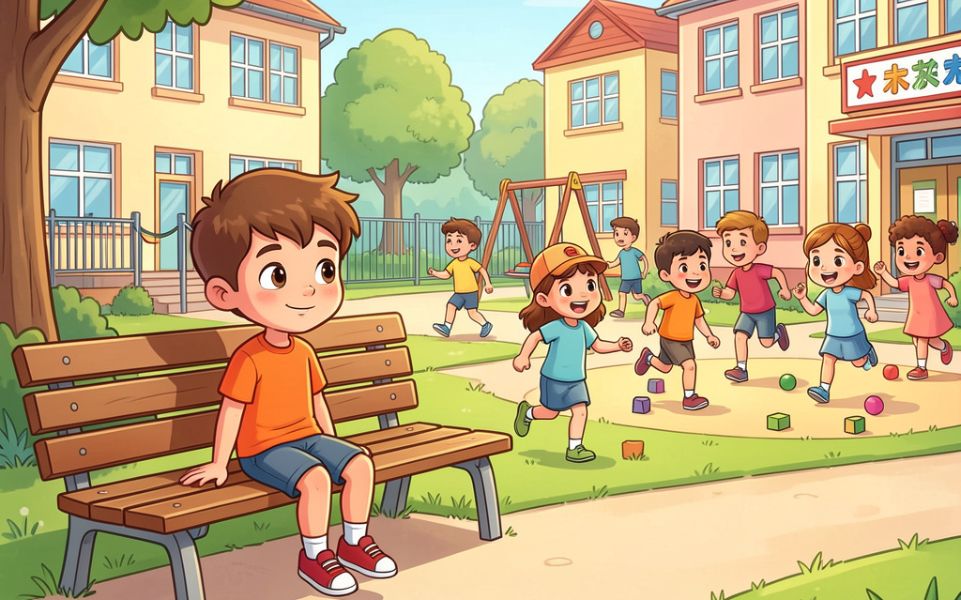
Parallel play is when young children play next to other children but do not play with them. They may sit close together, use similar toys, or play in the same space, but they do not talk much or share toys yet. Even though it looks like they are ignoring each other, they are actually very aware of what is happening around them.
This stage usually happens between the ages of two and three. At this age, children are still learning how to talk, manage their feelings, and understand simple rules. Since they are still developing these skills, playing side by side feels easier and safer than playing together.
You may notice parallel play during playdates, birthday parties, and even preschool classrooms. Your child might be happily playing alone while other children are close by. By observing other children around them (and how they play), many children begin to model what they see other children are doing and eventually learn through observation.
Why Do Children Play This Way?
Many parents worry that their child is not social because they are not playing with others. But parallel play is actually one of the first steps toward social skills. It helps children get used to being around other children without feeling pressured.
One important benefit of parallel play is learning by watching. Children often copy what other children are doing. This helps them learn new ways to play and build confidence.
Children who engage in parallel play also improve their ability to learn and acquire words. Even if children are quiet at first, they slowly begin to use words. Simple phrases like “my toy,” “your turn,” or “no” are early ways of learning to communicate. They are important, as children learn language by using them, and therefore, these small moments matter a lot.
Sharing and taking turns also begin during this stage. Young children do not naturally know how to share, but being around other children helps them learn a lot. When there are fewer toys, children slowly understand that waiting or taking turns is part of play. Though this can be challenging at first, it is an important part of social growth.
Children also learn social rules by watching others. Such as they notice the way other kids act, how adults react, and what happens when it is time to stop playing, all these are the types of observations that children make on a daily basis. And these simple observations allow children to learn how social situations function.
Parallel play is also beneficial for physical development since children can imitate movements by learning to throw balls, climb structures, and build with blocks. This improves their body control and hand skills.
How Can Adults Support Parallel Play?
It is important not to force children to play together. When children are pushed into group play even before they are ready, they may feel stressed or upset. Thus, allowing children to choose how they play helps them feel safe and confident.
Adults can also join in by playing nearby. Sitting close and playing with similar toys shows children how play works without giving commands and/or instructions. Children often learn more by watching than by being told what to do.
Teaching, sharing and turn-taking gently also helps. When more than one child is playing, adults can guide them calmly without forcing them. Over time, children begin to understand these ideas naturally.
Organising simple playdates with children of the same age can also support parallel play. It helps when adults understand that children may not play together right away. Most importantly, allow children to start playing together when they feel ready. Natural play is always more meaningful.
Can Special Education be helpful for your child?
If you notice that your child is still having difficulty making friends, reading social cues, or exhibiting extreme social withdrawal after passing the stage of parallel play, it could be a sign that they are having difficulty socialising, and Special Education may be able to help them in this regard.
Special education offers them a supportive environment where they can express freely, interact with peers, and learn to read social cues independently. They are guided by trained Special Educators who help them build confidence through interactive group based activities.
Conclusion
Playing alone while being surrounded by other children is normal, but if you notice that they show signs of extreme social withdrawal, they might benefit from Special Education facilities.
At Manjoli Child Development Centre, we are committed to delivering holistic, child-centred care by embracing differences and nurturing growth with the help of expert Special Educators.
With over 24 years of experience, our team provides compassionate, evidence-based support designed to meet each child’s unique developmental needs. Through a thoughtful blend of group therapy sessions, individualized interventions, and personalized learning experiences, including Special Education support, we create a nurturing and inclusive environment where every child is empowered to thrive, grow with confidence, and reach their full potential.